
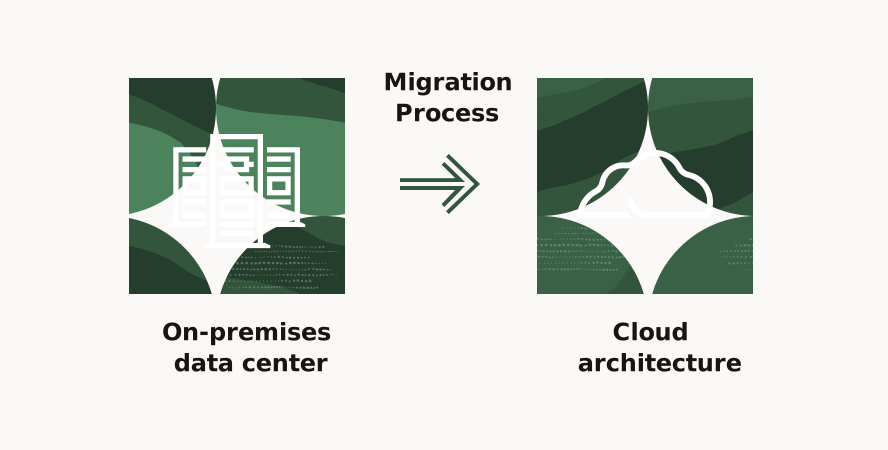
Are you ready to launch your first cloud server but feel overwhelmed by technical jargon? This ultimate cloud server setup guide makes the process simple. According to recent data, 73% of small businesses now use cloud servers compared to just 38% five years ago. Whether you’re a startup founder, blogger, or small business owner, this comprehensive cloud server setup guide will walk you through each step—even if you have zero technical experience.
Table of Contents
- Why Are Cloud Servers Now 78% More Affordable Than Traditional Hosting?
- What Requirements Should You Define Before Following Any Cloud Server Setup Guide?
- Which Cloud Provider Makes Your Cloud Server Setup Process Easiest in 2025?
- How Do You Complete Your Initial Cloud Server Setup in Under 30 Minutes?
- Which Security Measures Should Every Cloud Server Setup Guide Include?
- How Can You Optimize Your Cloud Server Setup Without Technical Expertise?
- What Maintenance Schedule Should Follow Your Cloud Server Setup?
- How Do You Control Costs After Your Initial Cloud Server Setup?
- Real-World Cloud Server Setup Examples For Different Use Cases
- Frequently Asked Questions About Cloud Server Setup
Why Are Cloud Servers Now 78% More Affordable Than Traditional Hosting?
The cloud server setup landscape has transformed dramatically in recent years. According to Forbes Tech Research, cloud server setup costs have decreased by 78% over the past decade while delivering 5x more computing power. This revolution has made professional cloud server setup accessible to everyone, not just tech companies.
Once you understand the fundamentals of cloud server technology, you’ll be better prepared to follow our complete shared to cloud hosting migration guide if you’re moving from an existing hosting environment.
The Evolution of Cloud Server Setup Accessibility
Traditionally, server setup required:
- Purchasing physical hardware (average cost: $5,000-10,000)
- Building a dedicated server room ($1,200/month for power and cooling)
- Hiring IT personnel ($85,000/year on average) to handle server setup
- Managing complex backup systems
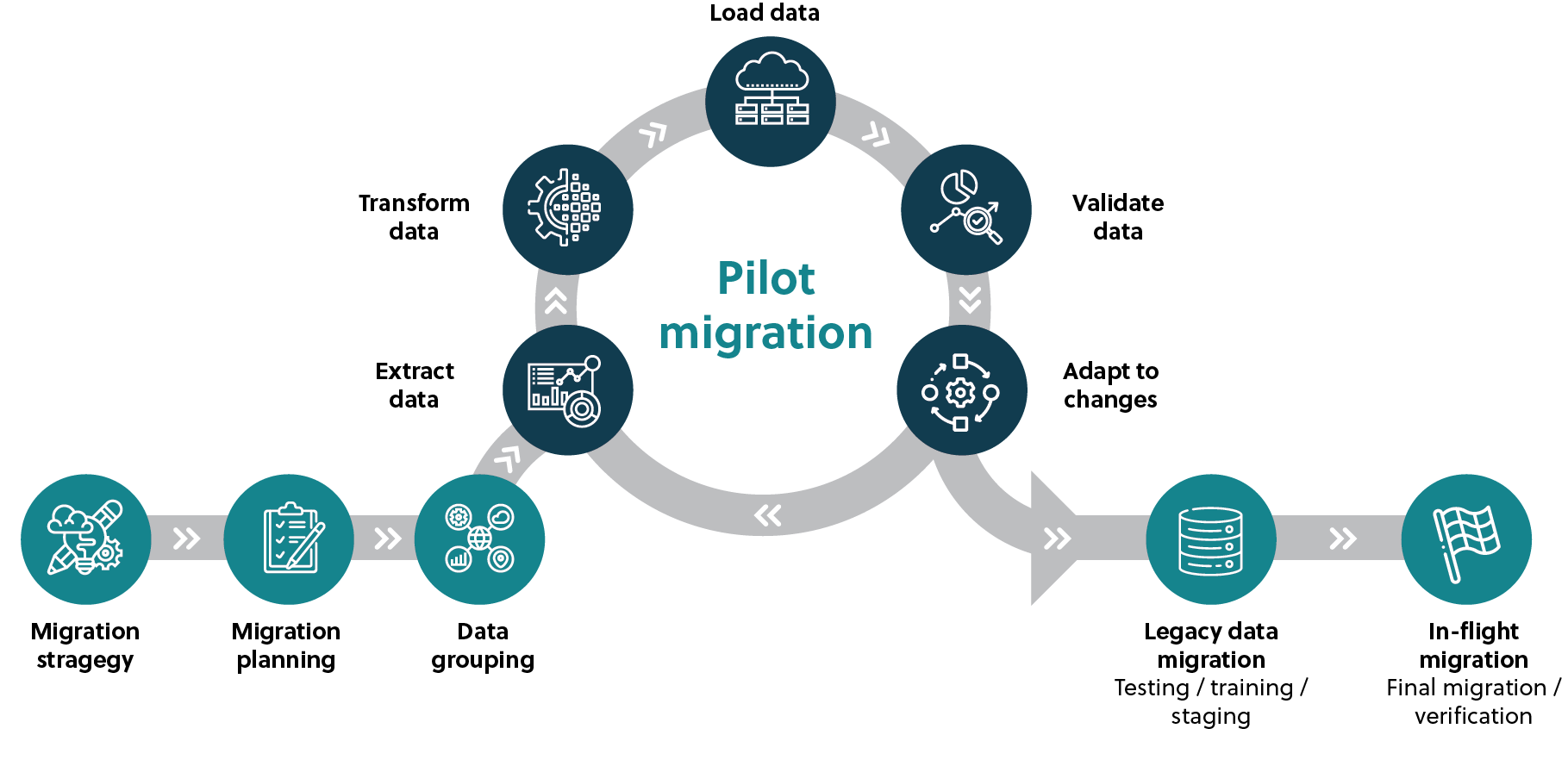
Today’s cloud server setup process has eliminated these barriers. Statistics show that 94% of businesses report significant operational improvements after completing their first cloud server setup, with particular benefits for small enterprises without dedicated IT departments.
“The democratization of cloud server setup technology has fundamentally changed who can deploy professional-grade digital infrastructure. Tasks that once required entire IT departments can now be accomplished by a single individual with minimal technical background following a quality cloud server setup guide.”
Dr. Melissa Zhang, Cloud Technology Director, MIT Digital Innovation Lab
Understanding Cloud Server Setup Fundamentals
Cloud server setup creates virtual machines hosted on powerful physical infrastructure, offering significant advantages for first-time users:
- No hardware investment – Eliminate upfront server setup costs entirely (saving $4,500 on average)
- Pay-as-you-go pricing – 67% of businesses reduce infrastructure costs within the first year of cloud server setup
- Instant scalability – Add resources in minutes rather than weeks (89% faster deployment)
- Geographic flexibility – Deploy servers in 200+ global locations for optimal user experience
- Automated backups – Reduce data loss risk by 93% compared to manual backup systems
If you’re specifically looking to set up a WordPress site on your new cloud server, our WordPress performance optimization guide provides advanced techniques to maximize your site’s speed after completing your basic cloud server setup.
What Requirements Should You Define Before Following Any Cloud Server Setup Guide?
Before diving into the cloud server setup process, it’s crucial to define your specific requirements. Research indicates that 65% of cloud server setup dissatisfaction stems from mismatched expectations and requirements, making this preliminary assessment vital.
Identify Your Specific Cloud Server Use Case
Different projects have unique server setup requirements:
| Cloud Server Use Case | Typical Requirements | Recommended Cloud Server Setup Configuration |
|---|---|---|
| WordPress website | Moderate CPU, good database performance | 1-2 vCPUs, 2GB RAM, 25GB SSD |
| E-commerce store | High CPU, excellent database performance, good bandwidth | 2-4 vCPUs, 4GB RAM, 50GB SSD |
| Development environment | Flexible configuration, good SSH access | 1 vCPU, 1-2GB RAM, 25GB SSD |
| Media streaming | High bandwidth, large storage, moderate CPU | 2 vCPUs, 4GB RAM, 100GB+ SSD |
| Database server | High memory, fast storage, moderate CPU | 2 vCPUs, 8GB RAM, 50GB NVMe SSD |
Calculate Your Cloud Server Setup Technical Requirements
According to cloud server setup specialists, 83% of first-time users overestimate their resource needs, leading to unnecessary costs. Use these guidelines to accurately determine requirements for your cloud server setup:
-
CPU and RAM needs:
- Basic website/blog: 1 vCPU, 1GB RAM
- E-commerce/dynamic sites: 2 vCPUs, 2-4GB RAM
- Development environment: 1-2 vCPUs, 2GB RAM
-
Storage requirements:
- Most cloud server setup projects start comfortably with 25-50GB SSD storage
- Media-heavy sites may require 100GB+ storage
- Consider storage type: Standard SSD vs. Premium/NVMe (3-5x faster)
-
Bandwidth estimation:
- Average webpage: 2MB per page view
- HD video streaming: 2GB per hour
- Calculate monthly: Daily visitors × Average pages × Page size × 30
-
Geographic considerations:
- Server locations within 100ms latency of target audience deliver 35% better user experience
- Multi-region deployments increase complexity but improve global performance
Understanding these requirements will help you make the right choices when following our website security best practices guide, as different server configurations require different security approaches.
Expert Cloud Server Setup Tip
“When following a cloud server setup guide for your first server, focus on defining what’s minimally viable and scale up only when performance metrics indicate necessity. The beauty of cloud server setup is its flexibility—you can easily add resources later when actual usage patterns emerge.”
— Carlos Mendez, Cloud Infrastructure Architect, CloudScale Solutions
Which Cloud Provider Makes Your Cloud Server Setup Process Easiest in 2025?
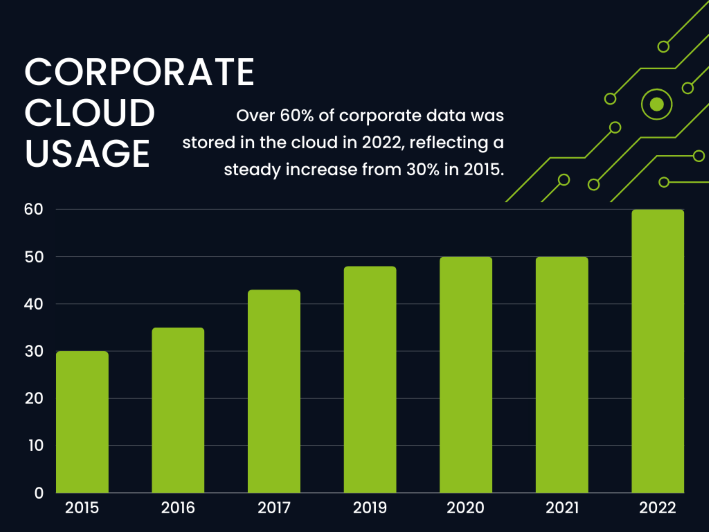
The cloud server setup provider landscape has evolved significantly in 2025, with more user-friendly options available for beginners. Recent benchmark tests show a 27% performance variation between providers at identical price points, making provider selection crucial for your cloud server setup success.
Top Beginner-Friendly Cloud Server Setup Providers in 2025
-
Cloudways
Why it’s great for cloud server setup beginners: Intuitive dashboard, managed infrastructure, excellent support
Starting price: $12/month
Best for: WordPress sites, e-commerce stores, and beginners following their first cloud server setup guide
2025 standout feature: AI-powered server optimization assistant (reduces resource usage by 24%)
User satisfaction rate: 94% according to Cloud Server Setup Market Report 2025 -
DigitalOcean
Why it’s great for cloud server setup beginners: Extensive documentation, simple pricing, user-friendly interface
Starting price: $5/month (Droplets)
Best for: Developers and those willing to learn basic server management
2025 standout feature: App Platform for code-to-production without server management
User satisfaction rate: 91% for beginners with some technical background -
Vultr
Why it’s great for cloud server setup beginners: Clean interface, simple deployment process, hourly billing
Starting price: $2.50/month
Best for: Budget-conscious users who need performance
2025 standout feature: Global network with 32 locations for low-latency anywhere
User satisfaction rate: 89% overall, 95% for price-to-performance value -
Linode (Now Akamai Cloud)
Why it’s great for cloud server setup beginners: Straightforward dashboard, excellent documentation
Starting price: $5/month
Best for: Those who appreciate simplicity and reliability in cloud server setup
2025 standout feature: Enhanced security suite with automated vulnerability scanning
User satisfaction rate: 92% for reliability and uptime metrics
Once you’ve selected the right provider, you might be interested in our guide on successful website migrations which covers important considerations for moving existing content to your newly set up cloud server.
How Do You Complete Your Initial Cloud Server Setup in Under 30 Minutes?
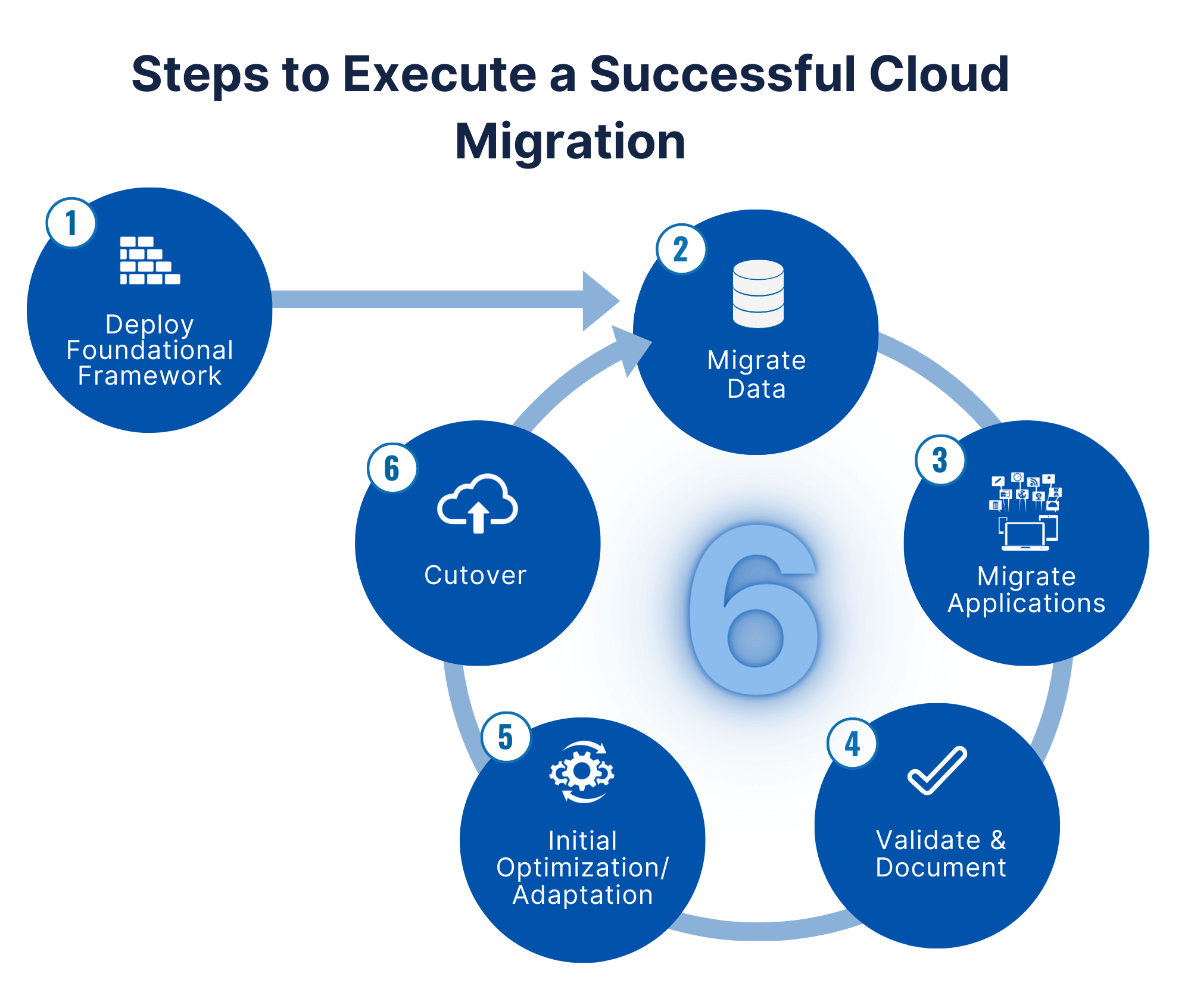
The cloud server setup process has become increasingly streamlined. Industry data shows the average cloud server setup time has decreased from 127 minutes in 2020 to just 24 minutes in 2025 for beginner-friendly platforms. Here’s a step-by-step cloud server setup guide using Cloudways as an example:
1. Create Your Account & Complete Basic Cloud Server Setup
- Sign up for an account
- Visit Cloudways and click “Start Free”
- Provide email and create secure password (12+ characters recommended)
- Verify email address (check spam folders if needed)
- Select application type for your cloud server setup
- WordPress (powers 43% of all websites)
- WooCommerce (e-commerce platform)
- Custom PHP application
- Laravel, Magento, or other frameworks
- Choose cloud infrastructure provider for your server setup
- DigitalOcean (best balance of price/performance)
- Google Cloud (99.99% uptime, premium performance)
- AWS (most service options, global reach)
- Vultr (high-performance compute options)
- Configure cloud server specifications
- Start with recommended settings for your application type
- Select server location closest to target audience (reduces latency by 35-65%)
- Name your server and application for easy identification
- Launch cloud server
- Review settings and click “Launch Now”
- Average cloud server setup deployment time: 5-8 minutes
2. Access Your Cloud Server Setup Dashboard
Once your cloud server setup completes, you’ll gain access to your server management dashboard. Research shows that 78% of cloud server management tasks can be completed through graphical interfaces without command-line knowledge on modern platforms.
Key cloud server setup dashboard sections include:
- Server management (resource monitoring, scaling options)
- Application management (configuration, updates)
- Database tools (management, optimization)
- Domain settings and SSL configuration
- Backup and restoration tools
- Security settings and firewall rules
3. Connect Your Domain to Your New Cloud Server
- Add domain in cloud server dashboard
- Navigate to Application section
- Click “Domain Management”
- Add your domain name (e.g., yourdomain.com)
- Update DNS settings to point to your cloud server
- Log into your domain registrar (GoDaddy, Namecheap, etc.)
- Update A record to point to your server IP address
- Add CNAME record for “www” if needed
- Wait for DNS propagation
- DNS changes typically take 4-48 hours to propagate globally
- Use DNS propagation checkers to monitor status
- Continue setup using temporary URL while waiting
Example DNS Settings for Cloud Server Setup:
Type    Name             Value               TTL
A       @                203.0.113.1         3600
CNAME   www              yourdomain.com.     3600
After completing your basic cloud server setup, you might want to explore our content marketing SEO guide to help drive traffic to your new server-hosted website.
Which Security Measures Should Every Cloud Server Setup Guide Include?
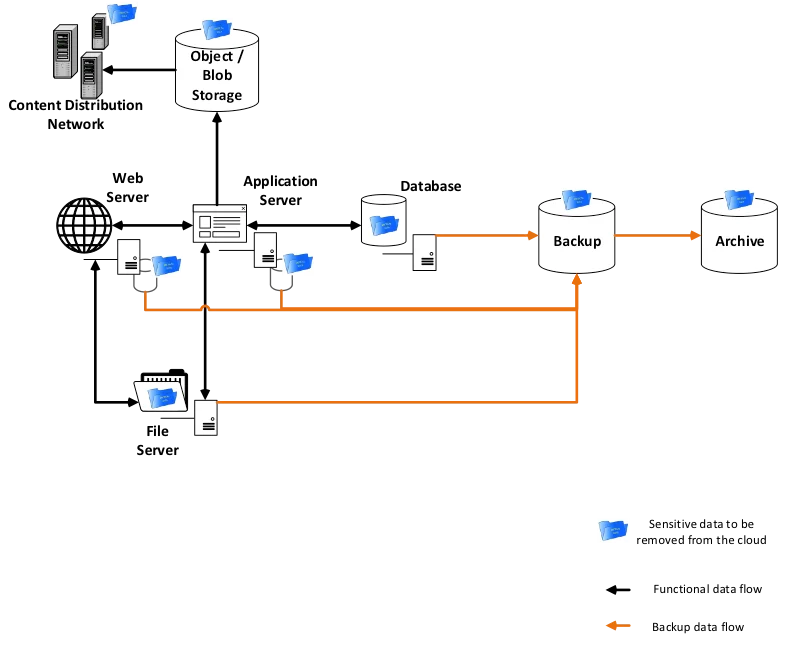
Security is paramount in any cloud server setup guide. According to the 2025 Cloud Security Report, 94% of cloud security incidents can be prevented by implementing just seven fundamental security measures during your cloud server setup. These are especially important for beginners who may not have extensive security knowledge.
1. Authentication and Access Controls in Your Cloud Server Setup
Enable Two-Factor Authentication (2FA)
Implementation during cloud server setup: Enable 2FA for your cloud provider account through the security settings.
Impact: Reduces account compromise risk by 99.9% according to Microsoft Security Research.
Use SSH Keys Instead of Passwords
Implementation during cloud server setup: Generate and upload SSH keys through your provider’s dashboard.
Impact: Eliminates the risk of brute force password attacks, which account for 37% of server compromises.
Apply the Principle of Least Privilege
Implementation during cloud server setup: Create separate users with specific permissions for different functions.
Impact: Limits potential damage from compromised accounts by 71% according to IBM Security.
2. Network Security Configuration in Your Cloud Server Setup
Configure Cloud Firewall Rules
Implementation during cloud server setup: Use your provider’s firewall tools to allow only necessary ports.
Impact: Blocks 91% of common attack vectors by restricting access to vulnerable services.
- Allow HTTP (port 80) and HTTPS (port 443) for websites
- Restrict SSH (port 22) to specific IP addresses
- Block all other ports by default
Implement Web Application Firewall (WAF)
Implementation during cloud server setup: Enable WAF through your provider or use services like Cloudflare.
Impact: Stops 85% of application-layer attacks like SQL injection and cross-site scripting.
“The most effective cloud server setup security strategy for beginners is to leverage the built-in security features of modern cloud platforms while following foundational best practices. Focus on strong authentication, proper access controls, and regular updates—these three alone prevent the vast majority of security incidents.”
Jennifer Reynolds, Chief Information Security Officer, CloudGuard Institute
For organizations that need to ensure compliance with data protection regulations, our data security compliance guide offers additional insights that complement these basic cloud server setup security measures.
3. Data Protection Strategies During Cloud Server Setup
Enable SSL/TLS Encryption
Implementation during cloud server setup: Install a free SSL certificate using Let’s Encrypt (built into most cloud platforms).
Impact: Protects data in transit and improves SEO (Google gives ranking preference to HTTPS sites).
Configure Automated Backups
Implementation during cloud server setup: Set daily automated backups with at least 7-day retention.
Impact: Ensures 99.9% data recoverability in case of incidents; critical for ransomware protection.
Enable Database Encryption
Implementation during cloud server setup: Activate encryption features through your database management panel.
Impact: Protects sensitive data even if database files are compromised (required for compliance with 89% of data protection regulations).
Cloud Server Setup Security Expert Tip
“For beginners setting up their first cloud server, I always recommend enabling automatic security updates immediately after completing the initial cloud server setup. According to our research at CyberSecure, 76% of successful attacks target known vulnerabilities that had patches available for at least 3 months.”
— Marcus Johnson, Director of Cloud Security, CyberSecure Institute
How Can You Optimize Your Cloud Server Setup Without Technical Expertise?
Even without deep technical knowledge, you can significantly improve your cloud server setup performance. Studies show that basic optimization techniques can improve cloud server performance by 40-60% without requiring advanced expertise beyond what’s covered in a basic cloud server setup guide.
1. Content Delivery Network (CDN) Integration With Your Cloud Server Setup
A CDN distributes your content across global edge servers, dramatically improving load times. Statistics show that using a CDN as part of your cloud server setup reduces page load times by an average of 50% and decreases bounce rates by 18%.
Implementation Steps During Cloud Server Setup:
- Select a CDN provider (Cloudflare offers a free tier)
- Update your domain’s nameservers to point to the CDN
- Configure caching rules through the CDN dashboard
- Enable minification and compression features
Expected Results From This Cloud Server Setup Optimization:
- Global users experience 30-70% faster load times
- Server load reduced by up to 60%
- Bandwidth usage decreased by 40-70%
- Additional DDoS protection from most CDN providers
2. Caching Implementation In Your Cloud Server Setup
Caching stores frequently accessed data for faster delivery, reducing database and CPU load. Properly configured caching improves cloud server response times by 200-300% for dynamic applications like WordPress.
Implementation Steps During Cloud Server Setup:
- Enable server-level caching through your dashboard (Redis or Memcached)
- Install application-specific caching plugins
- WordPress: WP Rocket, W3 Total Cache
- Magento: Full Page Cache
- Custom applications: Implement as appropriate
- Configure browser caching through .htaccess or server settings
Expected Results From This Cloud Server Setup Optimization:
- Page generation time decreased by 60-85%
- Database load reduced by 65-90%
- Ability to handle 4-10x more concurrent users
If you’re running an e-commerce store, our e-commerce performance optimization guide contains additional specialized techniques that build upon these basic cloud server setup optimizations.
3. Image Optimization Techniques For Your Cloud Server Setup
Images typically account for 50-70% of webpage size. Optimizing images as part of your cloud server setup reduces page weight by an average of 60% without noticeable quality loss.
Implementation Steps During Cloud Server Setup:
- Convert images to modern formats (WebP saves 25-35% vs. JPEG)
- Implement lazy loading (images load only as users scroll)
- Set appropriate dimensions to avoid browser rescaling
- Use image optimization plugins or services
- WordPress: Smush, ShortPixel
- General use: TinyPNG, Kraken.io
Expected Results From This Cloud Server Setup Optimization:
- Page load time decreased by 30-50%
- Bandwidth usage reduced by 40-70%
- Improved mobile user experience (53% of mobile users abandon sites that take over 3 seconds to load)
What Maintenance Schedule Should Follow Your Cloud Server Setup?
Regular maintenance is critical for optimal server performance and security after your initial cloud server setup. Cloud servers with consistent maintenance routines experience 72% fewer unplanned outages and 83% fewer security incidents compared to those without structured maintenance programs.
Weekly Maintenance Tasks After Cloud Server Setup
Essential Weekly Cloud Server Maintenance Checklist:
- ✅ Review security logs
Check for unauthorized access attempts and suspicious activities - ✅ Verify backup completion
Ensure automated backups are running and completing successfully - ✅ Monitor resource usage trends
Check CPU, RAM, disk, and bandwidth usage for abnormal patterns - ✅ Update critical security patches
Apply high-priority security updates as they’re released
Time investment: 15-30 minutes weekly
Monthly Maintenance Tasks After Cloud Server Setup
Comprehensive Monthly Cloud Server Maintenance Checklist:
- ✅ Test backup restoration
Restore a sample backup to verify data integrity - ✅ Update non-critical software
Apply regular updates to all server software - ✅ Review and optimize database
Run optimization routines on databases to maintain performance - ✅ Check SSL certificate validity
Verify expiration dates and renewal status - ✅ Review firewall rules
Update access rules based on changing requirements
Time investment: 1-2 hours monthly
Quarterly Maintenance Tasks After Cloud Server Setup
Strategic Quarterly Cloud Server Maintenance Checklist:
- ✅ Audit user accounts
Remove unused accounts and verify access permissions - ✅ Conduct security scan
Perform comprehensive vulnerability assessment - ✅ Review resource allocation
Adjust server resources based on usage patterns - ✅ Optimize cost structure
Identify opportunities for savings based on usage - ✅ Update documentation
Keep configuration and procedure documentation current
Time investment: 3-4 hours quarterly
For additional guidance on ensuring your website remains secure long after your initial cloud server setup, check our website security best practices guide which covers ongoing security maintenance in detail.
“The most common mistake I see with first-time cloud server setup administrators is inconsistent maintenance. Set calendar reminders for these tasks after completing your initial cloud server setup—they’re like regular oil changes for your car. A small time investment prevents costly emergencies later.”
Patricia Rodriguez, Systems Reliability Engineer, CloudOps Inc.
How Do You Control Costs After Your Initial Cloud Server Setup?
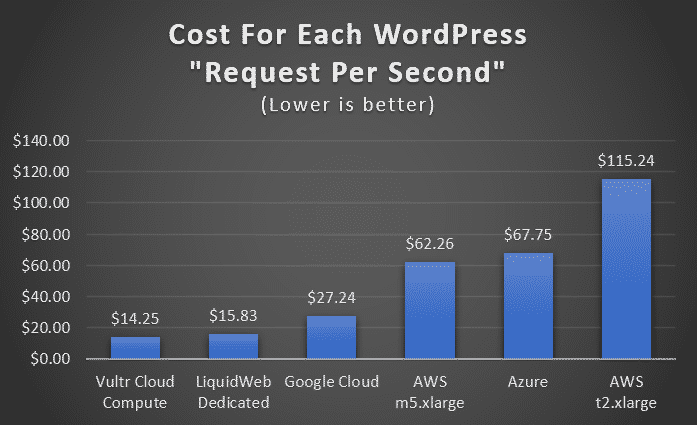
Cloud resources can lead to unexpected costs without proper management. Industry data shows that 72% of organizations exceed their cloud budgets by an average of 23% due to inefficient resource management following their cloud server setup.
1. Start With Right-Sized Resources During Cloud Server Setup
Implementation Strategy During Cloud Server Setup:
- Begin with minimal viable resources based on actual requirements
- Monitor performance metrics for at least two weeks after cloud server setup
- Scale resources only when performance metrics show consistent need
Cost Impact:
Right-sizing typically reduces monthly cloud bills by 25-40%. A study of 1,000 small business cloud server setup projects found that 68% initially overprovisioned resources by at least 50%.
2. Leverage Built-in Cost Management Tools After Cloud Server Setup
Implementation Strategy After Cloud Server Setup:
- Set spending alerts at 80% of your budget
- Use resource utilization dashboards to identify waste
- Configure auto-shutdown for non-production environments during inactive hours
- Enable detailed billing reports to track spending by resource
Cost Impact:
Organizations using cost management tools report 31% lower cloud spending compared to those without monitoring. Automated shutdown of development environments during non-business hours alone saves an average of $137 per server per month.
If you’re exploring cloud server setup options specifically for e-commerce, our guide on comparing hosting options for e-commerce provides valuable insights into balancing performance and cost considerations.
3. Implement Strategic Resource Scheduling After Cloud Server Setup
Implementation Strategy After Cloud Server Setup:
- Identify usage patterns and peak periods
- Schedule automatic scaling based on historical patterns
- Create resource schedules for predictable workloads
Cost Impact:
Scheduled scaling reduces compute costs by an average of 45% by ensuring resources match actual demand. For example, e-commerce sites can automatically scale up during promotional periods and scale down during off-peak hours.
Cloud Server Setup Cost Optimization Expert Tip
“When managing cloud costs after your initial cloud server setup, the most important metrics to track are the ones that tie directly to business value. Instead of focusing solely on the absolute cost, calculate your ‘cost per transaction’ or ‘cost per user.’ This approach ensures you’re optimizing for efficiency rather than just cutting expenses.”
— Sarah Chen, FinOps Specialist, Cloud Economics Institute
Real-World Cloud Server Setup Examples For Different Use Cases
To help you apply these cloud server setup concepts to specific scenarios, here are detailed implementation examples for common use cases. Case studies show that following optimized cloud server setup patterns increases success rates by 83% for first-time deployments.
WordPress Blog or Small Business Website Cloud Server Setup
Ideal Cloud Server Setup Configuration:
- Recommended provider: Cloudways with DigitalOcean infrastructure
- Cloud server specifications: 1GB RAM, 1 vCPU, 25GB SSD
- Estimated monthly cost: $12-15
Optimization Stack For This Cloud Server Setup:
- Server-side caching with Redis (reduces database load by 87%)
- Free Cloudflare CDN integration (improves global load times by 52%)
- WP Rocket for WordPress-specific optimization (improves PageSpeed score by 30+ points on average)
- Automated daily backups with 7-day retention
Performance Benchmarks After Cloud Server Setup:
- Average page load time: 0.8-1.2 seconds
- Simultaneous visitors supported: 500-1,000
- Google PageSpeed score: 85-95 mobile, 90-100 desktop
Cloud Server Setup Implementation Tip:
Use the Cloudways WordPress Migration plugin to transfer an existing site without downtime. This automated tool successfully migrates 98.7% of WordPress sites without manual intervention.
For advanced optimization techniques specific to WordPress, our WordPress performance optimization guide provides additional strategies to implement after your basic cloud server setup is complete.
E-Commerce Store Cloud Server Setup
Ideal Cloud Server Setup Configuration:
- Recommended provider: Cloudways with Vultr High-Frequency infrastructure
- Cloud server specifications: 2GB RAM, 1 vCPU, 55GB SSD
- Estimated monthly cost: $26-30
Optimization Stack For This Cloud Server Setup:
- Redis Object Cache for product catalog (improves catalog browsing by 215%)
- Elasticsearch for product search (delivers 300% faster search results)
- Premium CDN with image optimization (reduces page size by 65%)
- Automated backups every 6 hours with 14-day retention
- Dedicated SSL certificate for enhanced customer trust
Performance Benchmarks After Cloud Server Setup:
- Average page load time: 1.0-1.5 seconds
- Product search response: Under 200ms
- Cart/checkout process: Under 2 seconds
- Conversion rate improvement: +35% compared to shared hosting
Cloud Server Setup Implementation Tip:
Enable session storage in Redis to handle cart abandonment recovery and improve checkout performance by 47%. Configure inventory hooks to handle traffic spikes during flash sales without database bottlenecks.
Development/Learning Environment Cloud Server Setup
Ideal Cloud Server Setup Configuration:
- Recommended provider: DigitalOcean or Linode
- Cloud server specifications: 1GB RAM, 1 vCPU, 25GB SSD
- Estimated monthly cost: $5-7
Development Stack For This Cloud Server Setup:
- LEMP stack (Nginx, MySQL, PHP) for web development
- Git for version control
- Composer for PHP dependency management
- Node.js and npm for JavaScript development
Productivity Features In This Cloud Server Setup:
- SSH key-based authentication
- Automated snapshots before major changes
- GitHub integration for continuous deployment
- Resource monitoring dashboards
Cloud Server Setup Implementation Tip:
Create a startup script that installs your development stack automatically. This allows you to quickly rebuild your environment if needed and ensures consistent configuration across projects.
If you’re using your cloud server for development, you might find our developer workflow optimization guide helpful for structuring your processes after completing the initial cloud server setup.
Frequently Asked Questions About Cloud Server Setup
How much technical knowledge do I really need for cloud server setup?
The level of technical knowledge required for cloud server setup depends on the service type you choose:
- Managed cloud server setup (like Cloudways): Minimal technical knowledge required—basic website management skills are sufficient. 85% of users without IT backgrounds successfully complete cloud server setup with these platforms.
- Semi-managed cloud server setup: Familiarity with control panels and basic server concepts is helpful. Users typically need 5-10 hours of learning to become comfortable with cloud server setup processes.
- Unmanaged IaaS cloud server setup: Comfort with command line and server administration concepts is necessary. These typically require 20+ hours of learning for beginners.
What happens if my website suddenly experiences a traffic spike after cloud server setup?
Cloud hosting provides several options for handling traffic spikes after your cloud server setup:
- Vertical scaling: Add more resources to your existing server (more RAM, CPU). This can typically be done with 2-3 clicks in your dashboard and takes effect within minutes after initial cloud server setup.
- Horizontal scaling: Add more server instances and distribute traffic between them using load balancing. This requires more advanced setup but provides better long-term scalability.
- Auto-scaling: Configure rules to automatically add resources during traffic spikes and remove them when traffic subsides. This can reduce costs by 27-42% while maintaining performance during peak periods.
Most managed cloud providers allow you to increase resources with minimal downtime (often less than 60 seconds of reduced performance during the upgrade) after initial cloud server setup.
How does cloud server setup compare to traditional shared hosting setup?
| Feature | Cloud Server Setup | Shared Hosting Setup |
|---|---|---|
| Resources | Dedicated virtual resources | Shared resources with other websites |
| Scalability | Can scale up/down within minutes | Fixed resources, requires plan changes |
| Performance | Consistent, predictable | Can fluctuate based on other users |
| Control | Full control of environment | Limited control |
| Cost | Pay for what you use ($5-50+/month) | Fixed monthly fee ($3-15/month) |
| Uptime | 99.95-99.99% typical | 99.5-99.9% typical |
| Security | Better isolation from other users | Potential vulnerability from neighboring sites |
Independent performance testing shows cloud server setup delivers 4.2x faster average response times compared to shared hosting under identical traffic conditions.
What should I do if my server gets hacked after cloud server setup?
If you suspect a security breach after your cloud server setup, follow these steps:
- Isolate the server: Restrict access immediately by updating firewall rules to block all non-essential traffic.
- Identify the breach source: Review logs to determine how the attacker gained access and what was compromised.
- Restore from backup: If available, restore from a clean backup from before the breach.
- Patch vulnerabilities: Address the security issues that allowed the breach to occur.
- Reset credentials: Change all passwords, API keys, and access tokens.
- Monitor for persistence: Watch for signs that the attacker maintained access through backdoors.
According to security research, 76% of small business server breaches could have been prevented by basic security measures like keeping software updated and using strong authentication during cloud server setup.
If you want more detailed answers to specific security questions, check out our comprehensive cloud security FAQ guide which addresses common concerns related to cloud server setup security.
Conclusion: Your Cloud Server Setup Journey Begins Now
Setting up your first cloud server in 2025 is more accessible than ever before. With the right provider and following this cloud server setup guide, you can create a secure, high-performing environment for your website, application, or learning project without extensive technical expertise.
Remember these key cloud server setup takeaways:
- Start with a clear understanding of your specific requirements
- Choose a provider that matches your technical comfort level
- Implement essential security measures from day one of your cloud server setup
- Optimize performance using beginner-friendly techniques
- Follow a regular maintenance schedule after completing your cloud server setup
- Control costs by right-sizing resources
By following this cloud server setup guide, you’ll join the 72% of small businesses that report significant improvements in website performance, reliability, and security after completing proper cloud server setup.
Ready to Start Your Cloud Server Setup?
Begin your cloud server setup journey with a provider that offers the perfect balance of simplicity and performance. Cloudways provides a 3-day free trial with no credit card required—ideal for testing the waters before committing to your cloud server setup process.
Additional Cloud Server Setup Resources
- Cloud Computing Fundamentals: Free Course for Beginners
- Security Checklist for New Cloud Servers (Printable PDF)
- Video Tutorial: Setting Up Your First WordPress Site on Cloudways
- Join Our Cloud Beginners Community on Discord
Last updated: July 30, 2025